BAD LAND
Building on tradition, we continue to explore the possibilities of form.
Machines built for speed are transformed into designs that stir the human heart. Just how far can we push the boundaries of that potential? This question is always at the heart of BAD LAND’s craftsmanship.
The European Harley-Davidson custom scene is a place where traditional craftsmanship has been passed down through the generations. Deeply captivated by its unique design philosophy and a spirit of craftsmanship that uncompromisingly pursues both function and beauty, BAD LAND began its journey in 1998 as a custom shop specializing in Euro-style motorcycles.However, what we learned from Europe went beyond the exceptional design of custom motorcycles and advanced manufacturing techniques. As I immersed myself in the history, culture, and daily lives of the people there, I made a discovery that would eventually transform my own philosophy of craftsmanship.
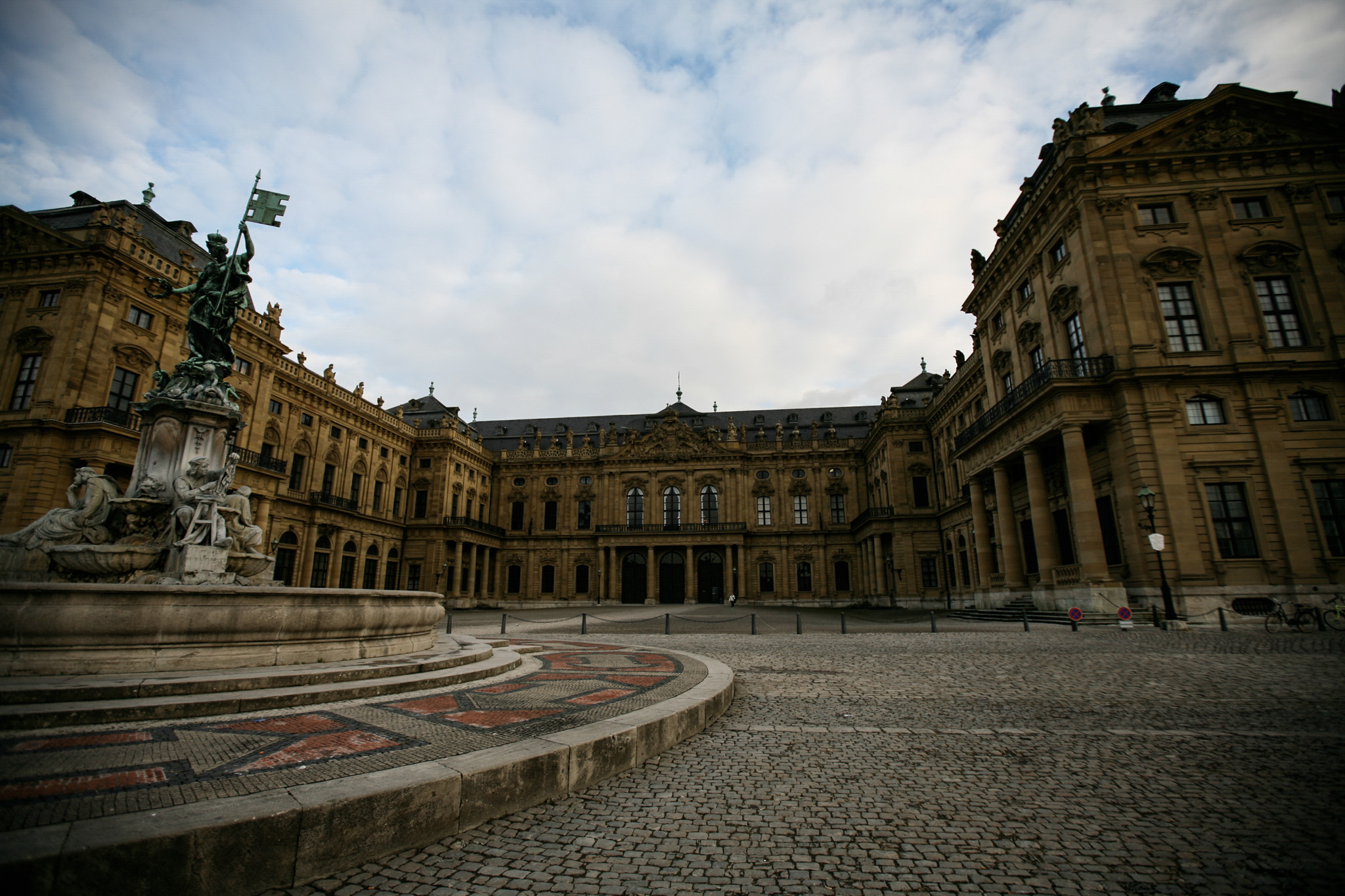
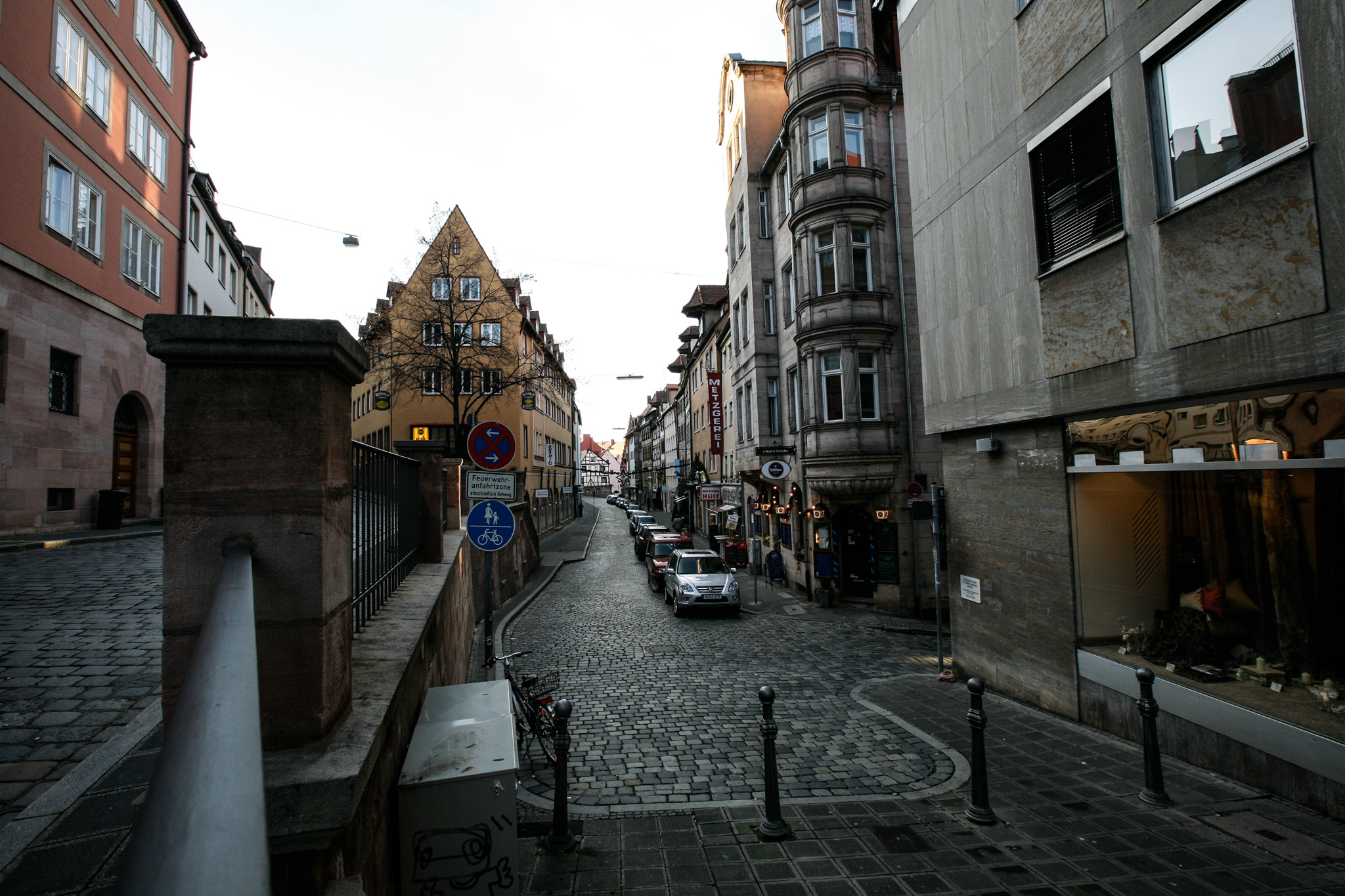
Around the time I began visiting various parts of Europe, particularly Germany, what surprised me most was the overwhelming depth of history embodied in the cityscapes. There were times when, guided by locals, I would casually have lunch at a restaurant only to discover it was actually housed in a building constructed in the 16th century. Walking down cobblestone streets, I saw buildings that had stood for three or four hundred years—or even longer—existing as a natural part of people’s daily lives.In the heart of the city, a majestic church towered overhead, and beyond its doors lay a solemn and beautiful space where golden ornaments shimmered in the dim, quiet light.
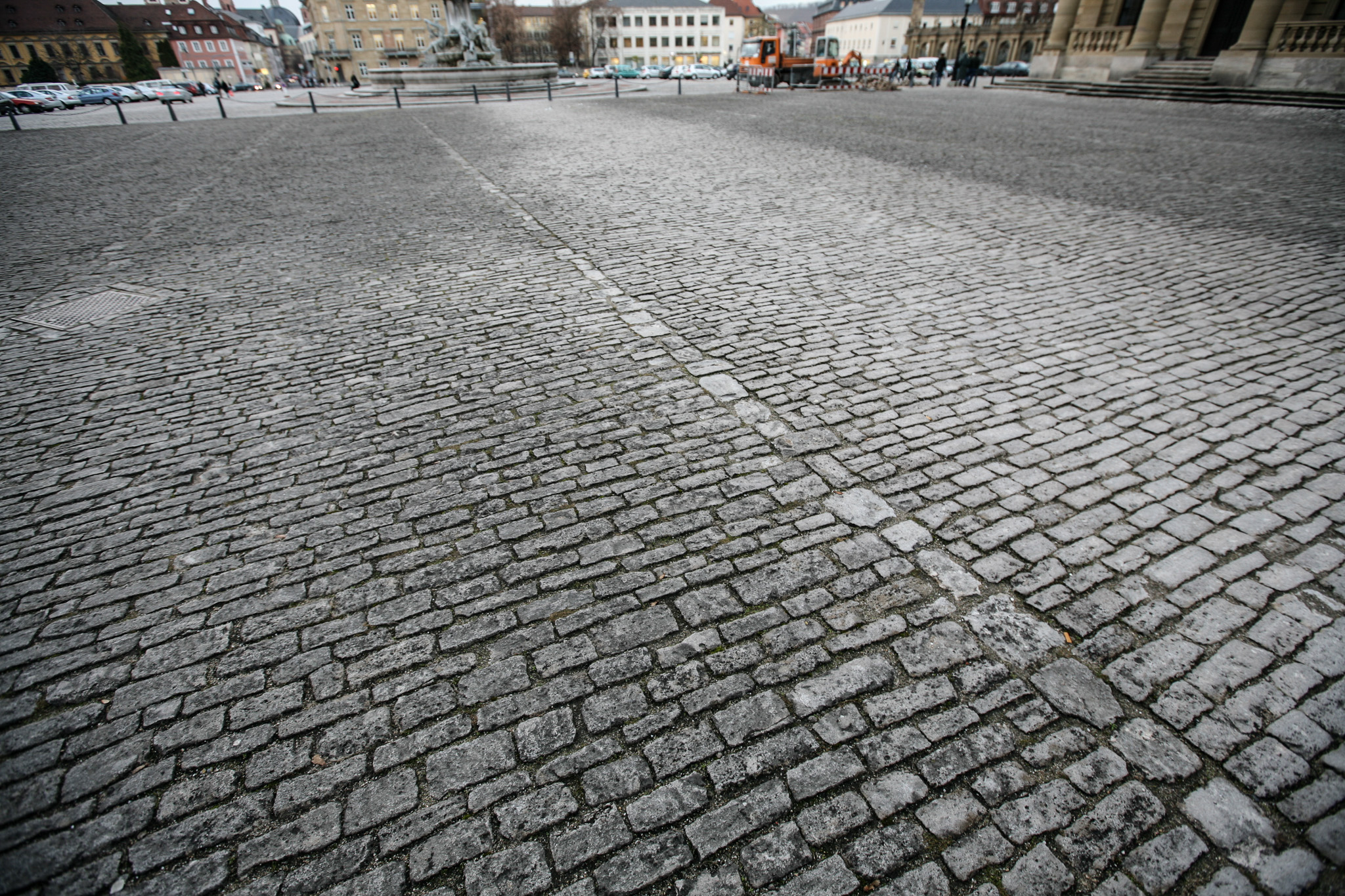
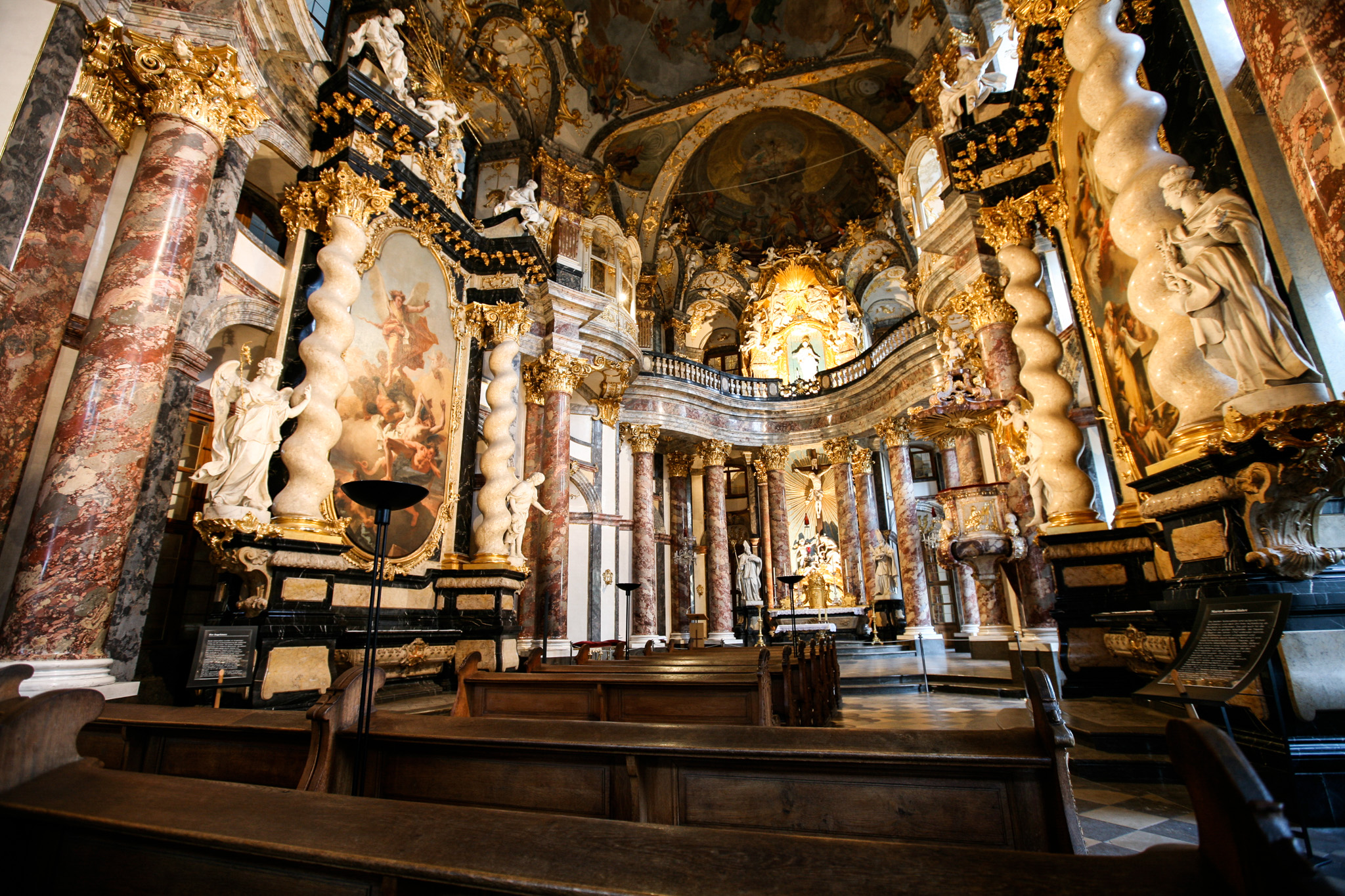
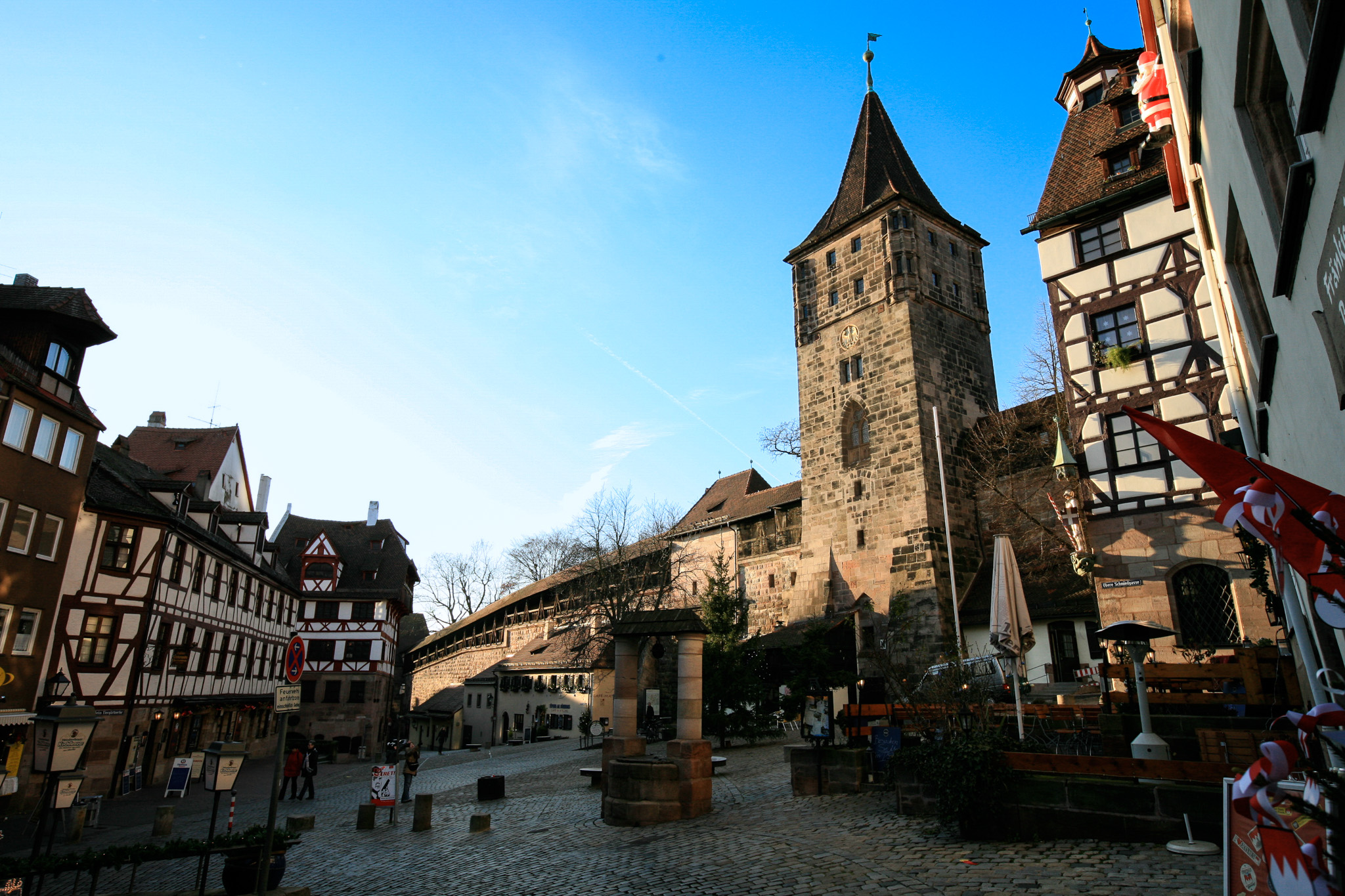
In Germany, in particular, the colors that adorn the entire city are not necessarily vibrant. Rather, rows of buildings in subdued hues line the streets, and on the wooden pillars and doors weathered by the passage of time, even every scratch and grain of wood bears the traces of the time that people have accumulated there. What we see there is not a deliberately staged sense of antiquity, but an unshakable order of form that has been naturally cultivated through generations of daily life.
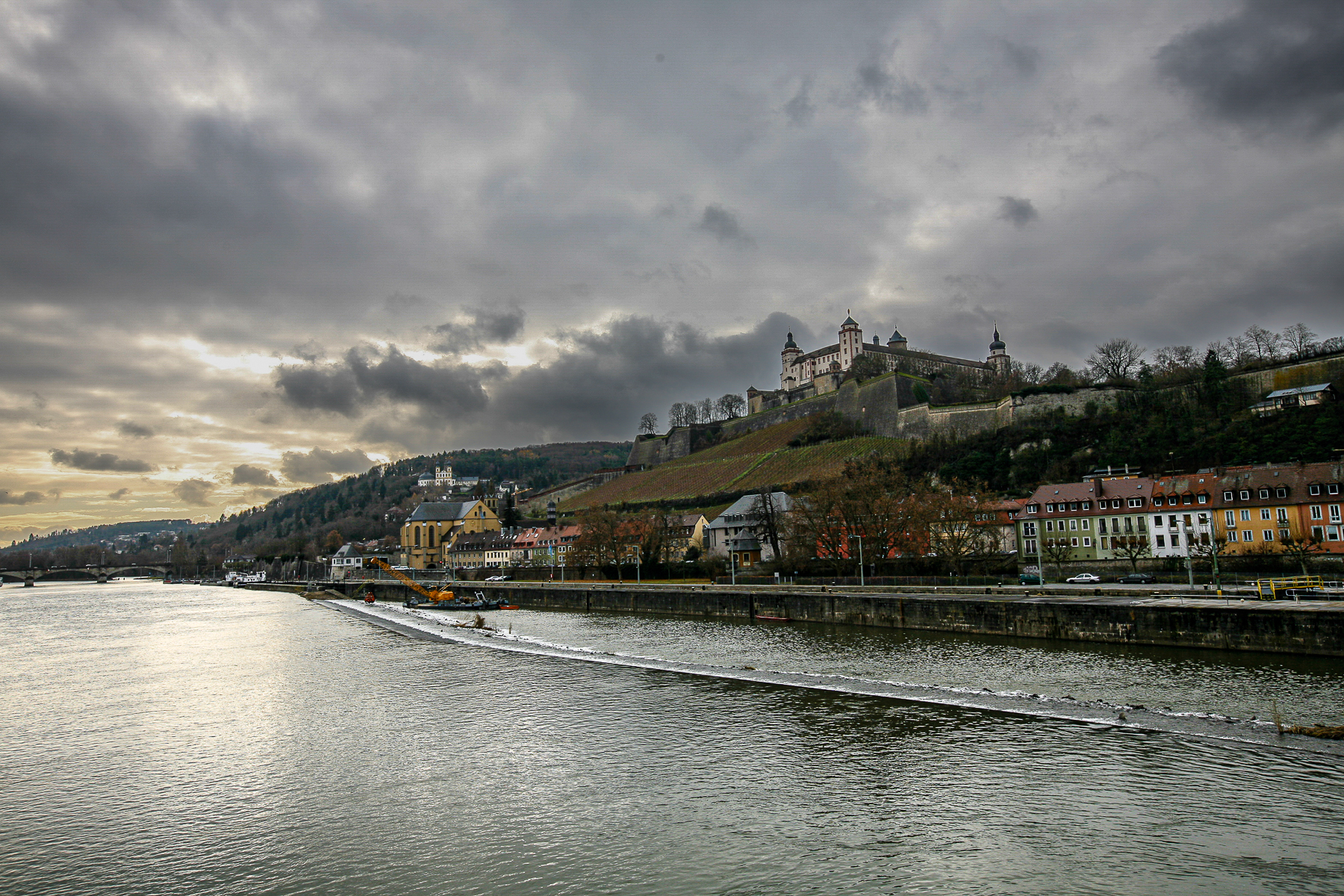
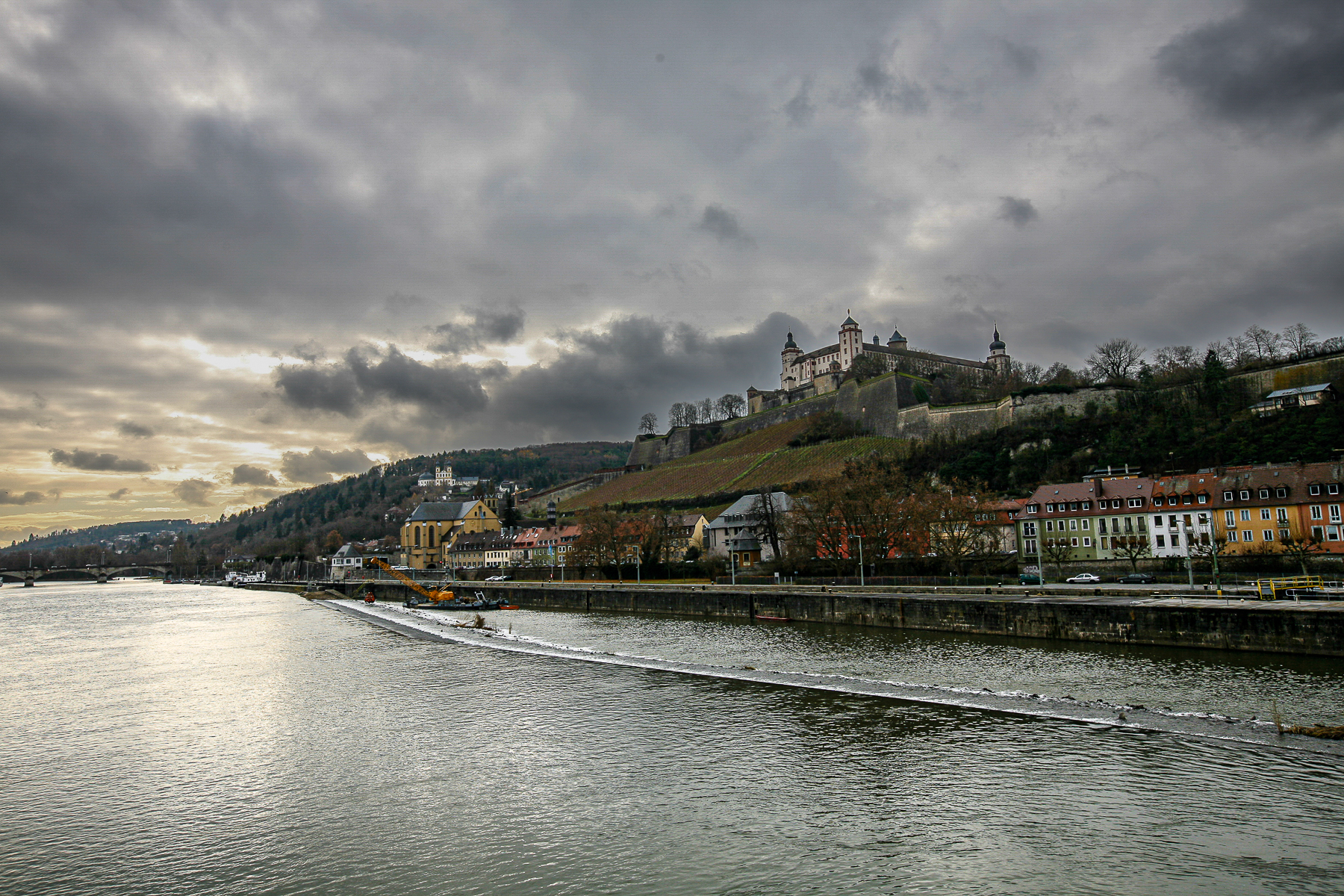
Among these, the scenery of Würzburg, a city in southern Germany that I’ve visited countless times, remains vividly etched in my memory to this day. Beyond the historic streetscape, gentle hills stretch out leisurely, and a single road winds its way far into the distance through vineyards and pastoral landscapes.The stately beauty exuded by the old buildings and the gentle curves created by nature—both existed as part of the everyday landscape, forming a beautiful harmony without detracting from one another. For me, it was a world that evoked a unique sense of the passage of time—one that is not easily encountered in urban life in Japan. And every time I encountered such scenery, I gradually came to understand something that had previously puzzled me.
Why is it that Germany produces custom motorcycles—such as those epitomized by Thomas Habermann—with such elegant and graceful curves? Their delicate forms possess the power of machinery while at times even exuding a sense of delicacy.A silhouette as beautiful as a sculpture—bold yet never crude, serene yet exuding an overwhelming presence. Until then, I had sought the source of such design primarily in the builders’ exceptional craftsmanship and original sensibilities. However, as I walked through German cities and experienced their architecture, landscapes, and people’s daily lives, I began to sense that there might be something even deeper underlying the beauty they create.
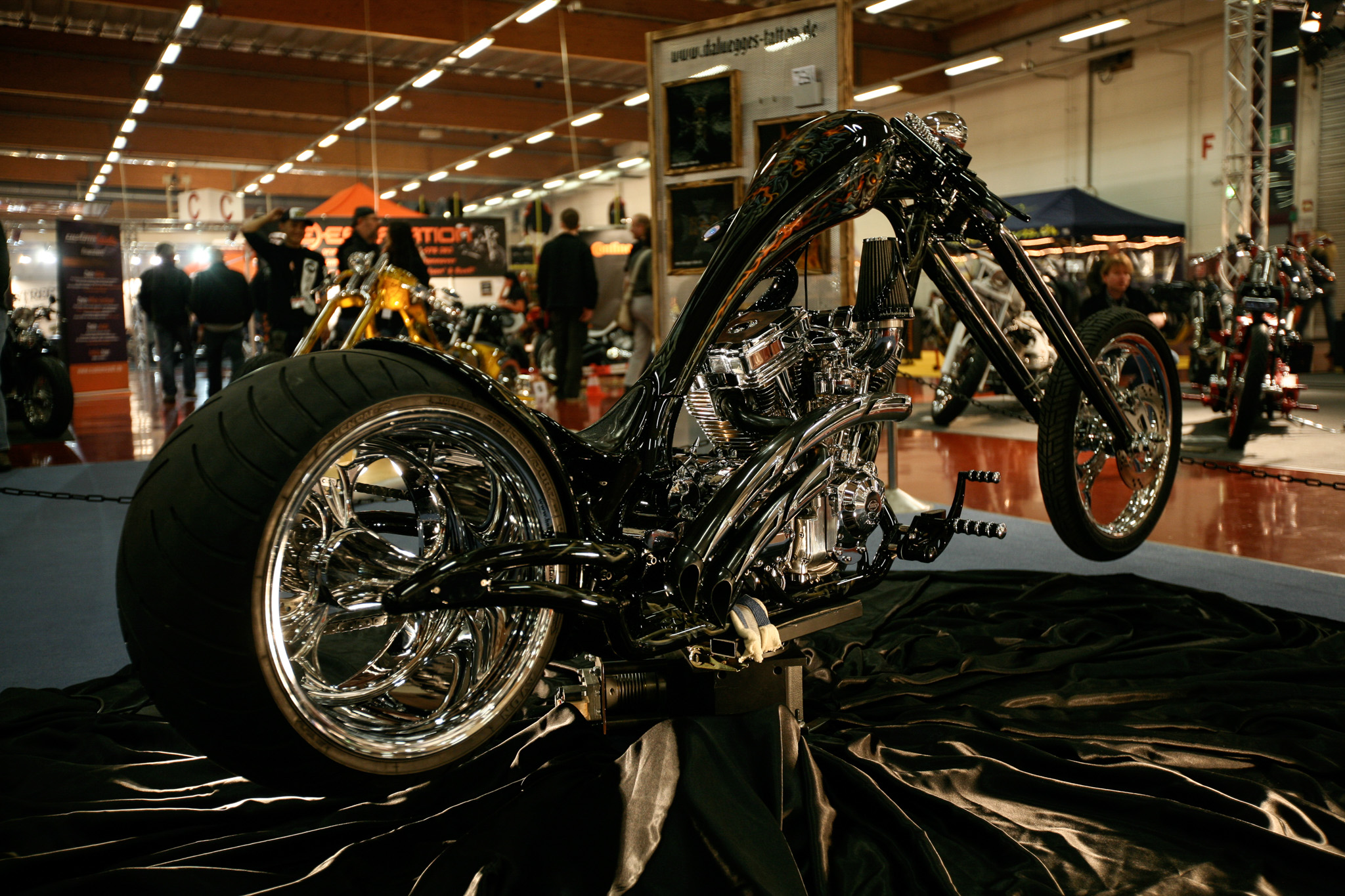
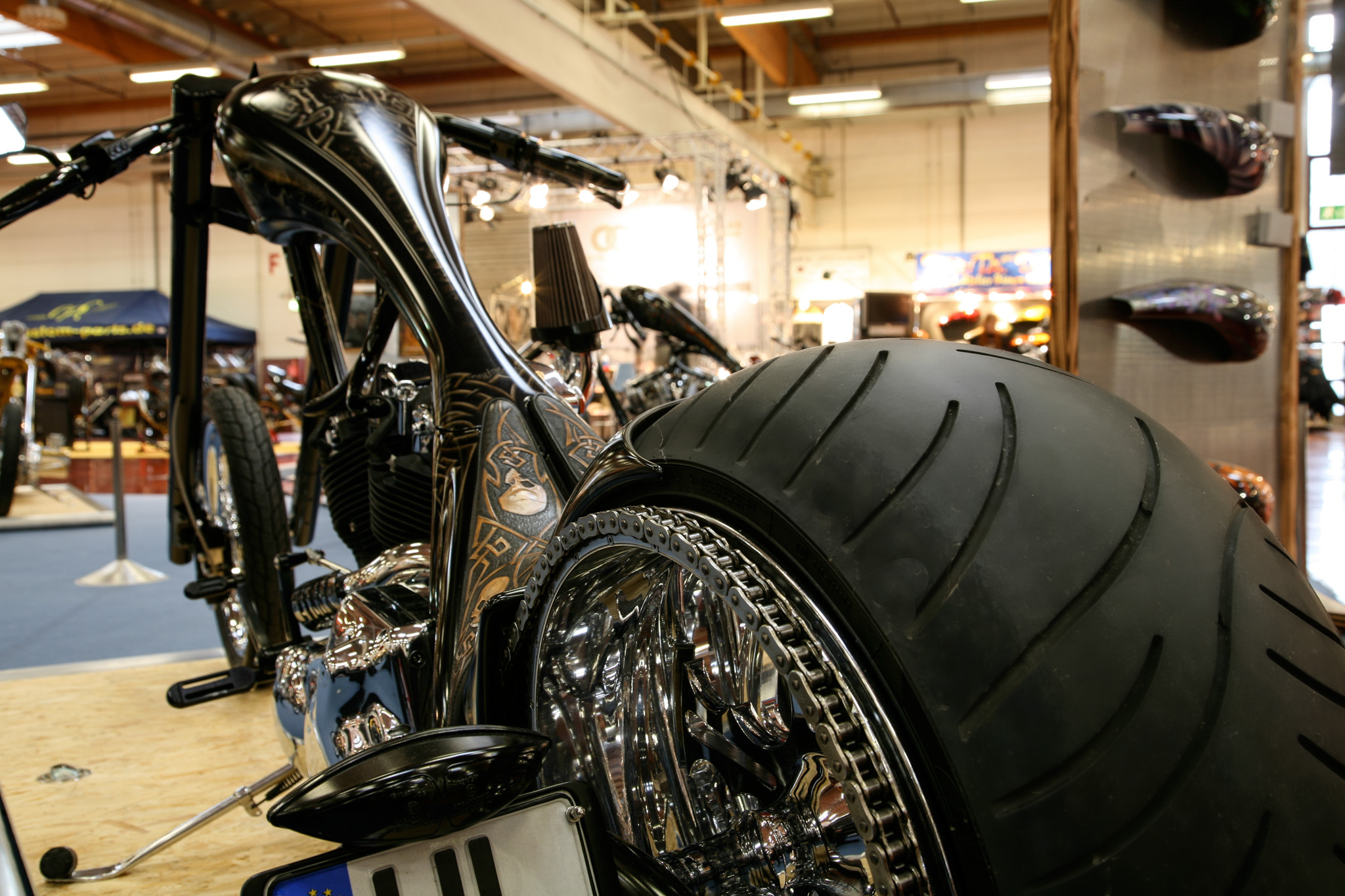
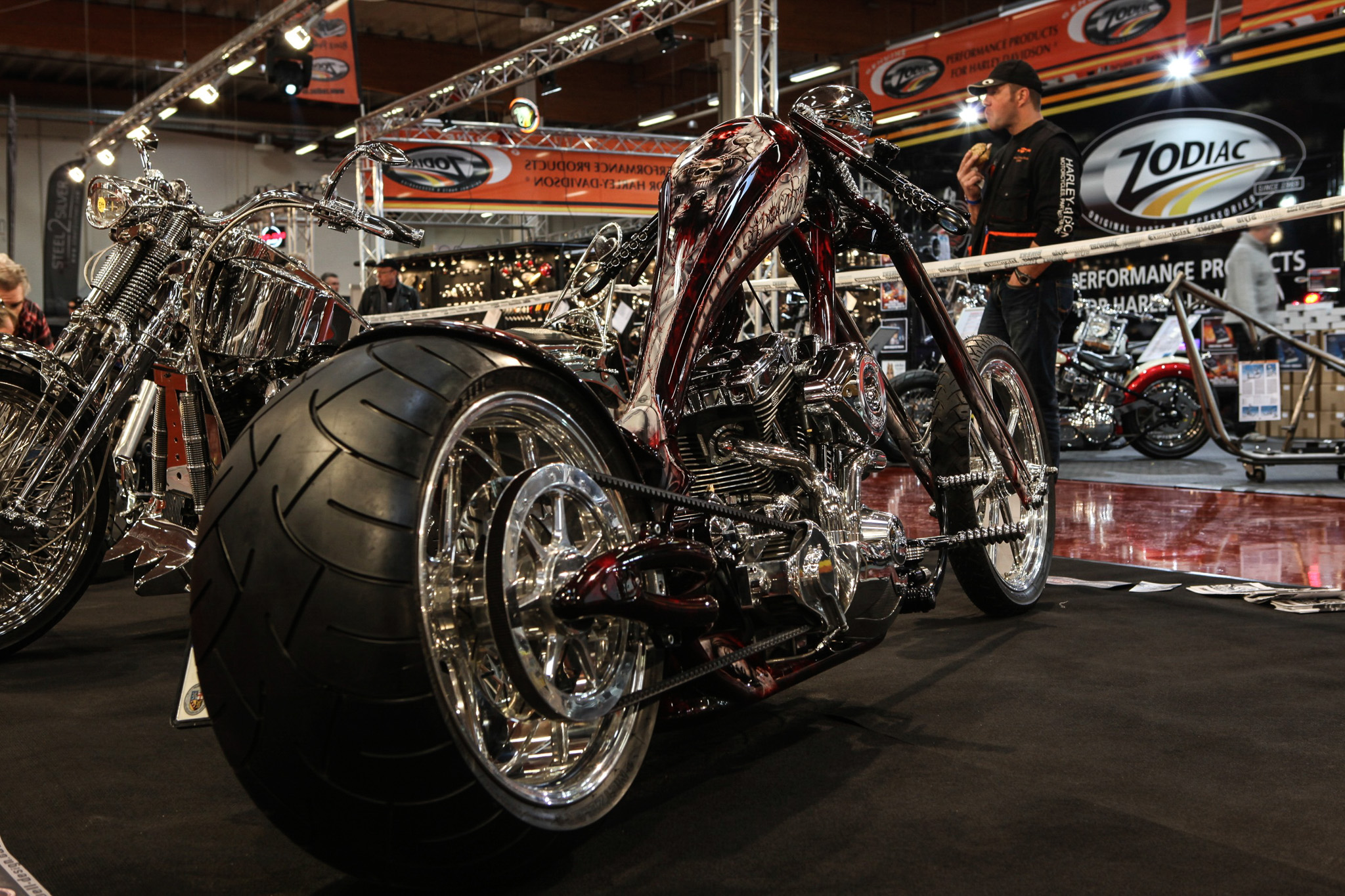
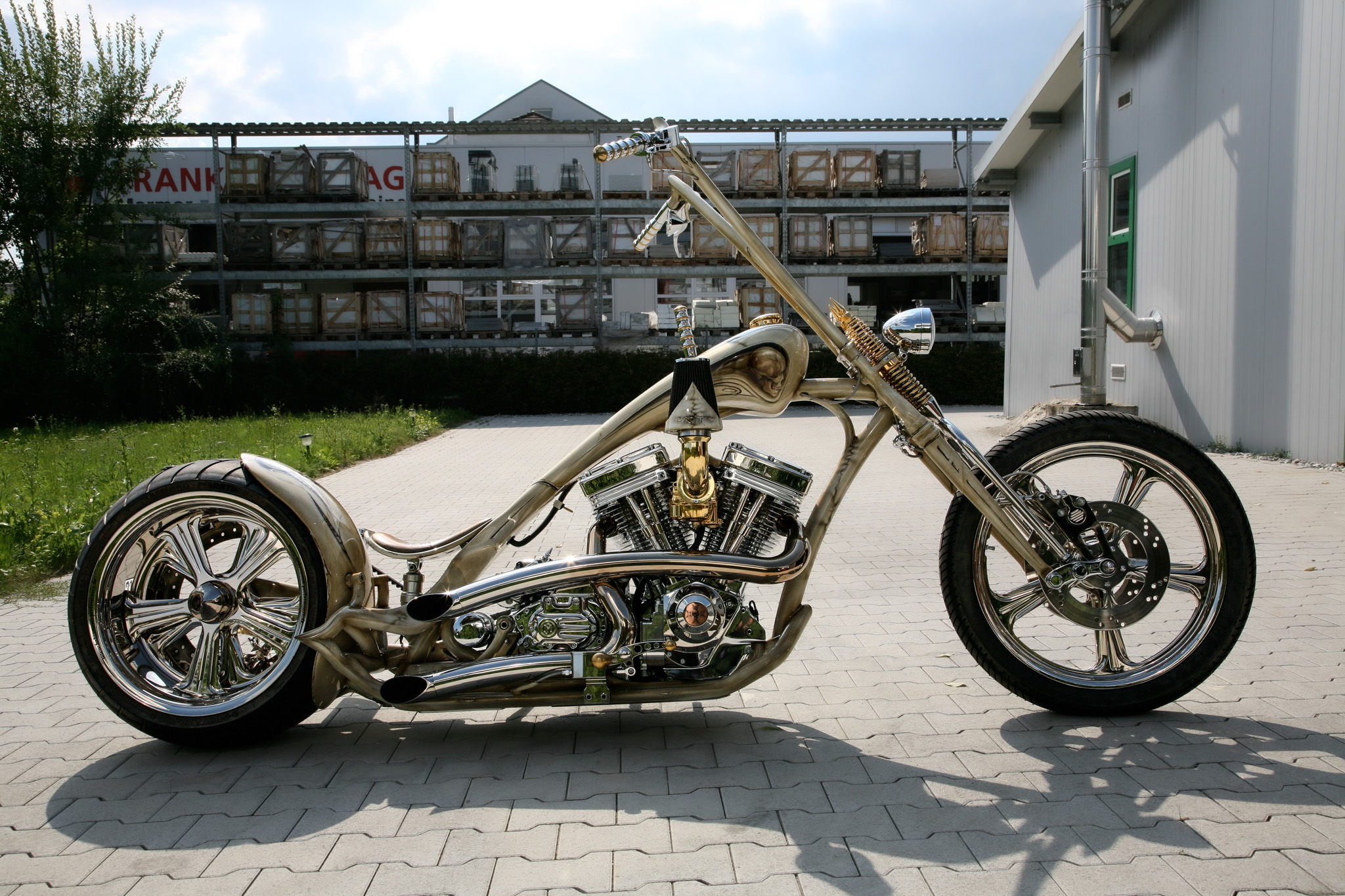
The sensibility needed to create beauty does not emerge suddenly one day. It depends on what a person observes each day, the kind of spaces in which they live, and the extent to which they are exposed to an aesthetic sensibility that has been passed down over time. Isn’t it this accumulation of experiences that eventually nurtures a creator’s sense of form?
When I thought about it that way, it felt as if a question I’d been pondering for a long time had suddenly been answered. “Oh, I see. So that’s how it is.”
I still vividly remember the moment I felt that so strongly in a German city. What was even more fascinating was the strangely natural harmony between these historic streetscapes and cutting-edge modern industrial products. For example, on a street corner lined with time-worn stone buildings, a Porsche in vivid red or yellow—or a Mercedes-Benz clad in deep green—would suddenly appear.Traditional cityscapes and modern automobiles with cutting-edge designs and colors. Though these two elements might seem contrasting at first glance, there they complement each other’s appeal and appear to harmonize with astonishing beauty. It is not merely a matter of the old and the new coexisting. It struck me that the aesthetic sensibility cultivated over a long history lives on in some form within contemporary design, creating a continuity that transcends time.I believe that certain aspects of the unique appeal of the forms and colors found in German cars—such as Mercedes-Benz, BMW, and Porsche—can only be fully understood when viewed within the context of this history and culture. This realization held profound significance for me.
Of course, it’s impossible to fully describe European design culture through a single historical perspective or aesthetic sensibility. However, at least for me, “Euro-style” is no longer defined simply by low, elongated silhouettes or flowing curves.
It was the culmination of an aesthetic sensibility nurtured over a long history, the craftsmanship of artisans who knew their materials inside and out, and a spirit dedicated to creating new forms of beauty without being bound by conventional notions—all brought together in a single work of art.
This realization became a vital foundation for BAD LAND’s subsequent product development. It was another conviction we arrived at as we encountered exceptional components and the work of skilled artisans throughout Europe.
"High tech is ultimately low tech."
Since its founding, BAD LAND has cherished this philosophy, which goes beyond simply honoring traditional craftsmanship. It is based on the belief that no matter how sophisticated the manufacturing techniques or how advanced the equipment may be, truly making the most of them requires a deep understanding of materials, a sensibility honed through manual work, and relentless effort to refine fundamental skills.Advanced craftsmanship is born from a deep understanding of the essence of making things and the pursuit of precision and perfection to the utmost limits. Guided by this philosophy, BAD LAND has introduced to Japan a wide range of European-made parts that achieve a high level of balance between functionality and aesthetic beauty, while simultaneously continuing to refine its own manufacturing techniques. This pursuit has gradually transcended the boundaries of existing Euro-style design, expanding into BAD LAND’s unique world of form.
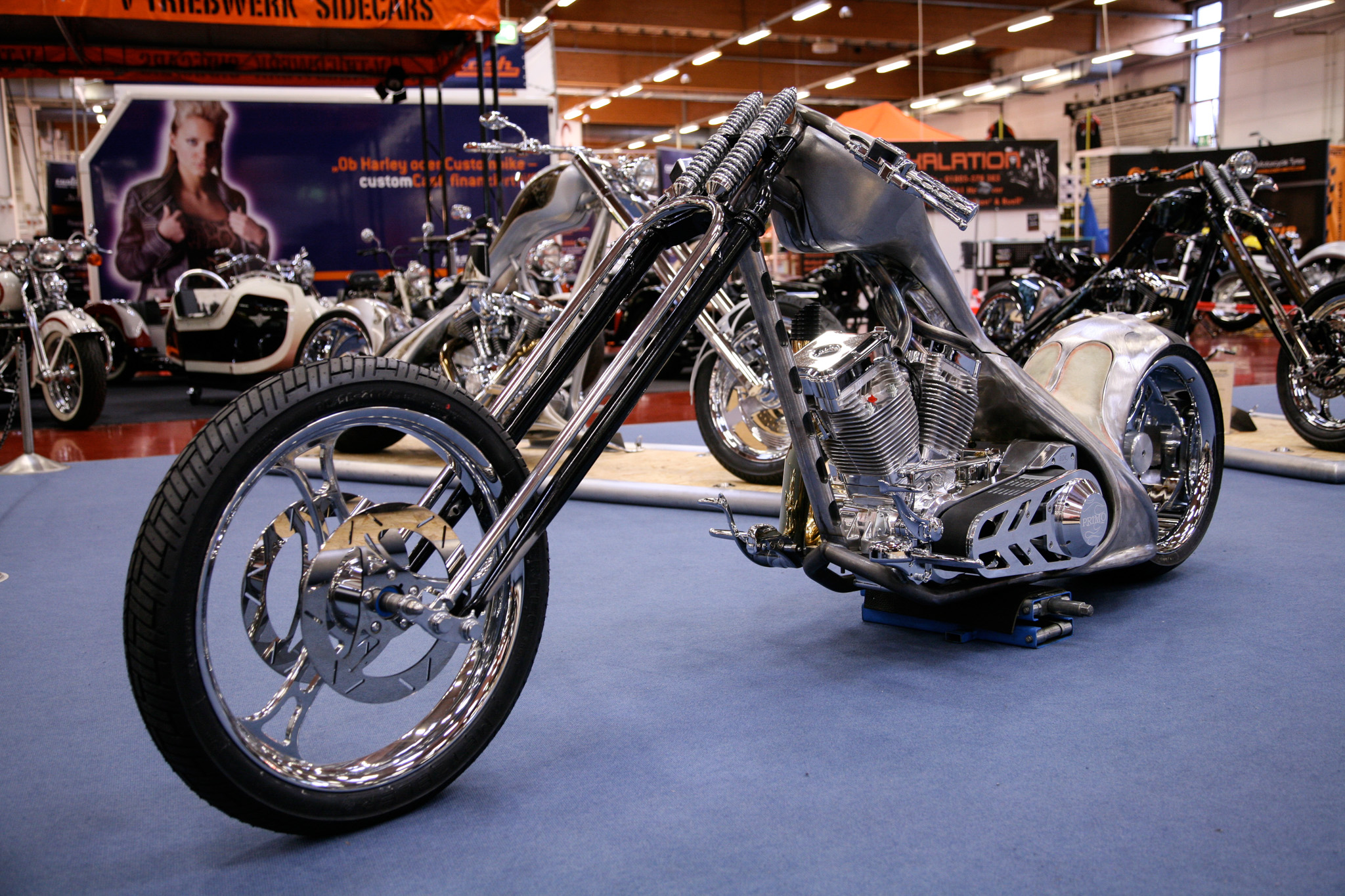
Learning from Europe’s outstanding design traditions and deeply resonating with their spirit is by no means the same as remaining confined to them. What we sought to inherit was not the finished forms themselves, but rather the philosophy that gave rise to those forms and the sincere approach to beauty. That is precisely why we have aimed to create new designs through our own sensibilities and techniques, rather than merely imitating or reproducing existing styles.
Day in and day out, we work with metal—cutting, shaping, bending, and polishing it. We discern the inherent properties of the material, paying meticulous attention to even the slightest dimensions and the transitions between curved surfaces, as we pursue our ideal form. While enhancing the precision and expressive power of metalworking, we have also continually explored final surface treatments, including painting and polishing.The reflection of light, the depth of shadows, and the unique texture that metal exudes. The expression of the surface—sometimes mirroring the surrounding scenery, other times quietly absorbing light—is not merely a difference in finish; I believe it is a crucial sculptural element that defines the presence of each piece.
When building a custom motorcycle, what we value most is the harmony between the whole and the details: boldly reimagined proportions, meticulously calculated component placement, and the design logic inherent in every single part.We elevate the inherent power of the Softail and Dyna models into elegant forms, and through our unique interpretation, we unleash the innovative potential hidden within the V-ROD. What unites these efforts is a consistent philosophy: respecting the mechanical rationality of the machine while pursuing sculptural beauty.
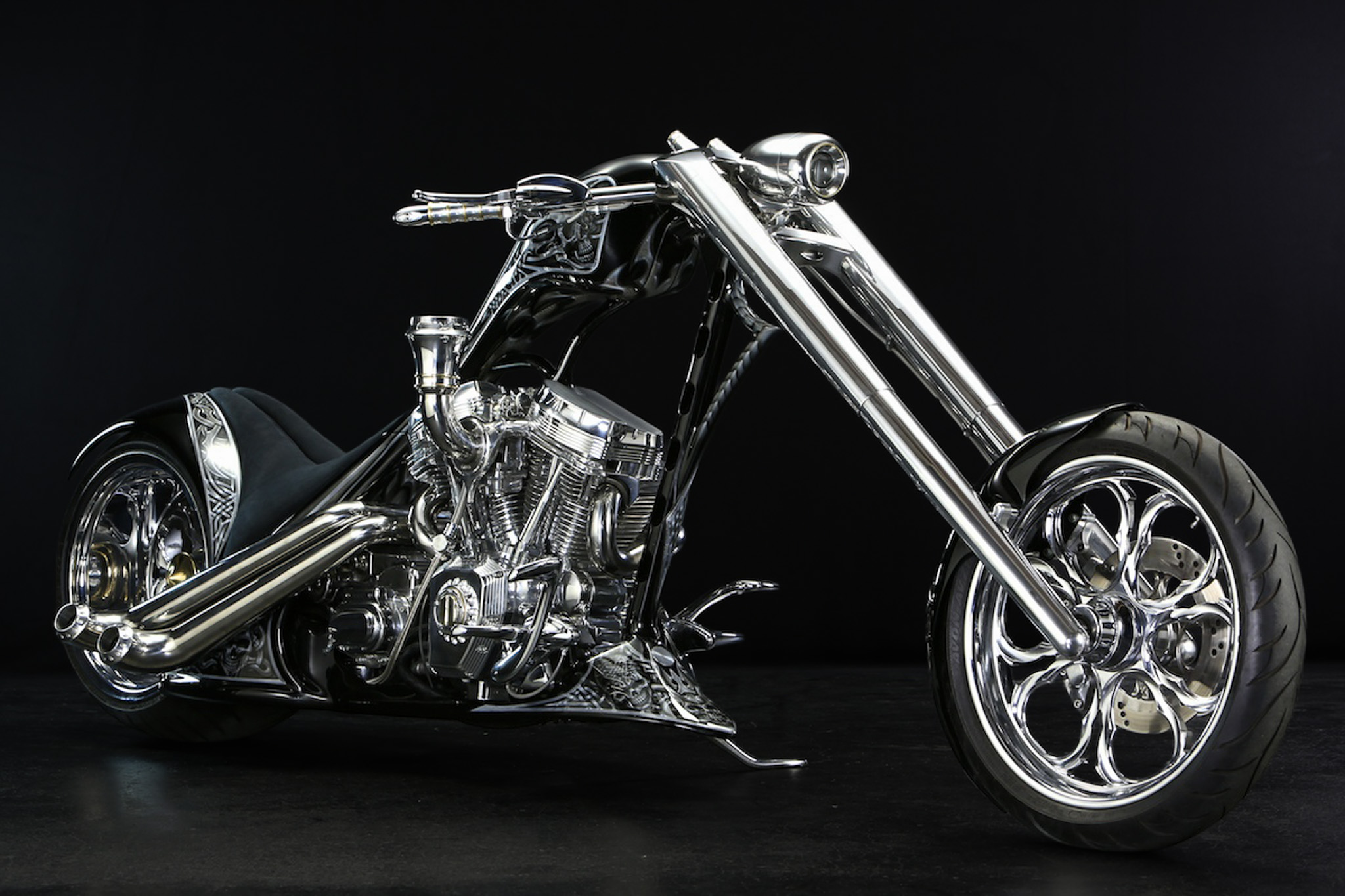
Our ideal is not something that catches the eye through eccentricity or excessive ornamentation. While it may appear bold at first glance, a closer look at its design reveals that every detail serves a purpose. From the overall silhouette down to the smallest component, it is a highly refined custom motorcycle, consistently guided by a single aesthetic philosophy. This philosophy also lives on in the original parts crafted by BAD LAND.We believe that even the smallest part should have a clear purpose behind its shape, and its function should be underpinned by sound engineering. The precision of the details supports the beauty of the whole, and the harmony of the whole enhances the value of each detail. For us, parts are not merely components to be assembled; they are vital elements that constitute the design philosophy of a single motorcycle.
And for every vehicle crafted over many years, a new chapter of history begins the moment it is completed—one that encompasses the time, skill, and passion invested in its creation, as well as the years spent with its owner. This vehicle possesses a unique value that cannot be measured solely by its model year or specifications. We believe that recognizing this value and passing it on to the next owner is an important part of BAD LAND’s mission.
The BL Collector’s Edition is a special collection born from this philosophy. Focusing on vehicles we have crafted ourselves, we carefully assess their production background, level of craftsmanship, and history to ensure that each valuable vehicle is preserved for future generations. Furthermore, with a view toward providing support for inspections, maintenance, and delivery—as well as assistance with future resale—we aim to stand by owners and their cherished vehicles for the long term.The buildings I once saw in German towns—passed down through generations—and the beauty of their forms, cultivated over the long course of time. Those memories still live on within me. Even as eras change and people come and go, there are things that continue to exist without losing their value.
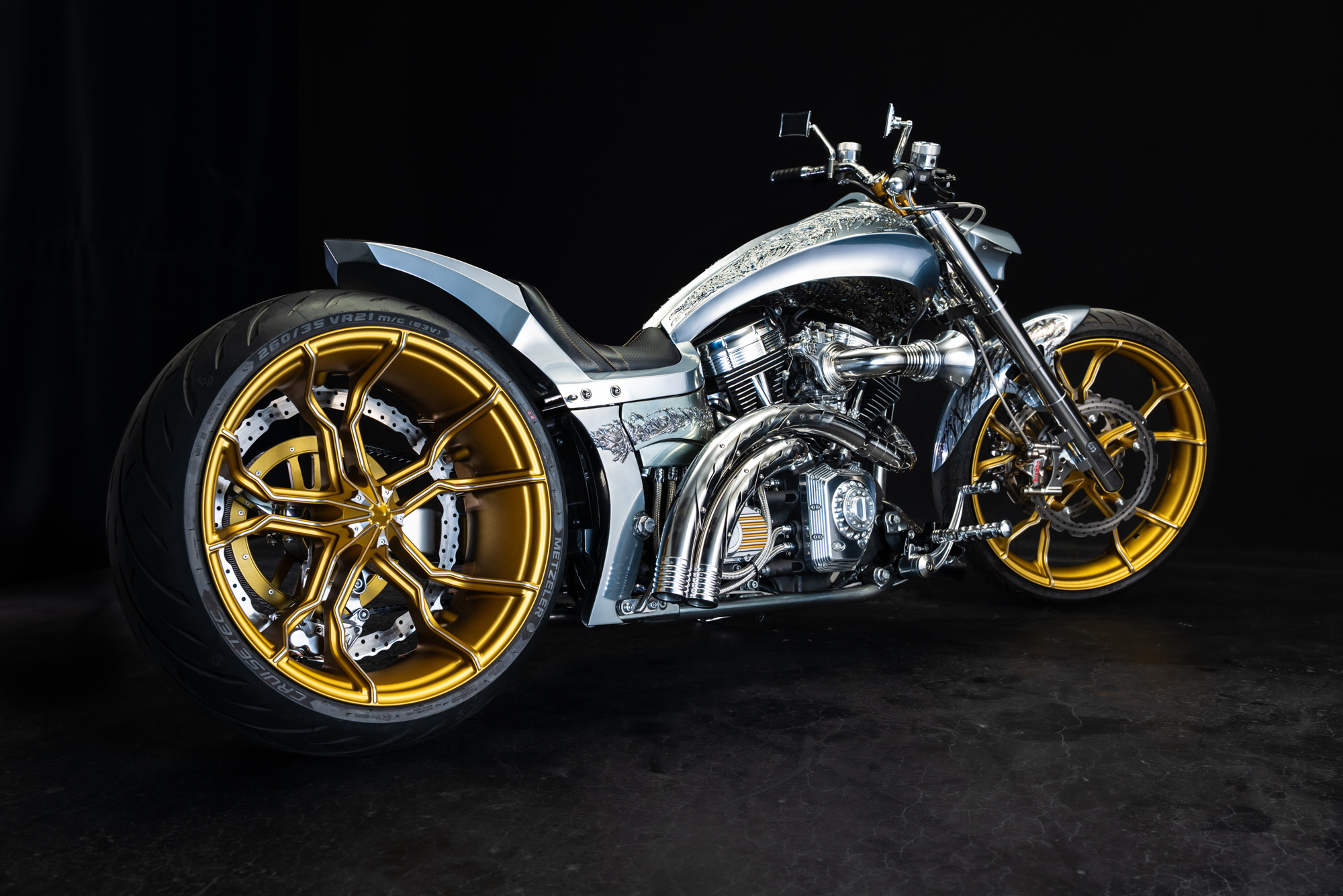
Of course, one cannot put motorcycles and historic architecture on the same level. However, I believe that things which continue to move people’s hearts even after many years possess a beauty and depth that can never be created by superficial novelty alone.For us, the value of a custom motorcycle is not determined solely by its novelty, flashiness, or the amount of money spent on its creation. It lies in the design that could only have emerged in that particular era, in the details that are the culmination of a craftsman’s experience and skill, and in a beauty that never fades, even after many years. We believe it is our responsibility as craftspeople to properly recognize this value, cherish and preserve it, and pass it on to the next generation.
We honor tradition, hone our craftsmanship, and pursue new possibilities in design without being bound by conventional ideas. Technical perfection as a machine and aesthetic beauty as a work of art—the relentless pursuit of balancing these two elements is the philosophy that has remained unchanged at BAD LAND since our founding.
What we want to continue creating is a vehicle that will continue to touch people’s hearts, even as the times change.